

Explore these tips and resources to stay healthy this fall season. And beware of environmental health frights that may be haunting your neighborhood - like air pollution, radon, and carbon monoxide. Environmental Public Health Tracking shares data, tips, and resources to help you stay safe this spooky season and year around!
Get your Blood Pumping!
With the weather finally cooling down, it's a great time to be active outdoors.

Stay physically active to lower your risk of heart disease.
Spend time in nature to help lower your blood pressure and reduce stress.
Heart disease is the leading cause of death in Missouri.
Don't Fall Off your Broomstick!
Air pollution can cause breathing or heart problems.
Beware of pollutants, whether you're flying around outdoors though the smoke of a bonfire or burning leaf pile or sweeping up indoors by the light of a burning candle.

Some wildfires continue to burn into the fall season and can affect air quality hundreds of miles away. Keep an eye on current air quality and recommendations.
Wood smoke smells good but isn't good for you. Use cleaner heating sources or burn dry wood for less smoke.
Some scented candles are a source of indoor air pollution. Use non-toxic candles in your home instead.
Pollutants like PM2.5 (very small particulate matter in smoke) and ground-level ozone can make asthma, COPD, or heart problems worse.
It's been estimated that up to 30% of asthma attacks are triggered by air pollution.
Fall Back Safety Tips
Make sure your house isn't being haunted by carbon monoxide!
When turning back your clocks this fall, remember to install a carbon monoxide detector.

Change batteries in all fire alarms and carbon monoxide detectors.
Keep generators or gas-powered engines outdoors and at least 20 feet away from any door, window, or vent.
Schedule annual gas furnace, gas water heater and gas dryer inspections.
Schedule annual cleaning and inspection of fireplace chimneys and flues.
Never run a vehicle inside an attached garage, even with the garage door open.
Roughly, 40-70 lives in Missouri could be saved every year by having a working carbon monoxide alarm.
A Silent Killer Is Lurking in Your Basement?
Radon is the second leading cause of lung cancer.
It's important to test for radon in your home, because you can't see, taste, or smell radon gas.
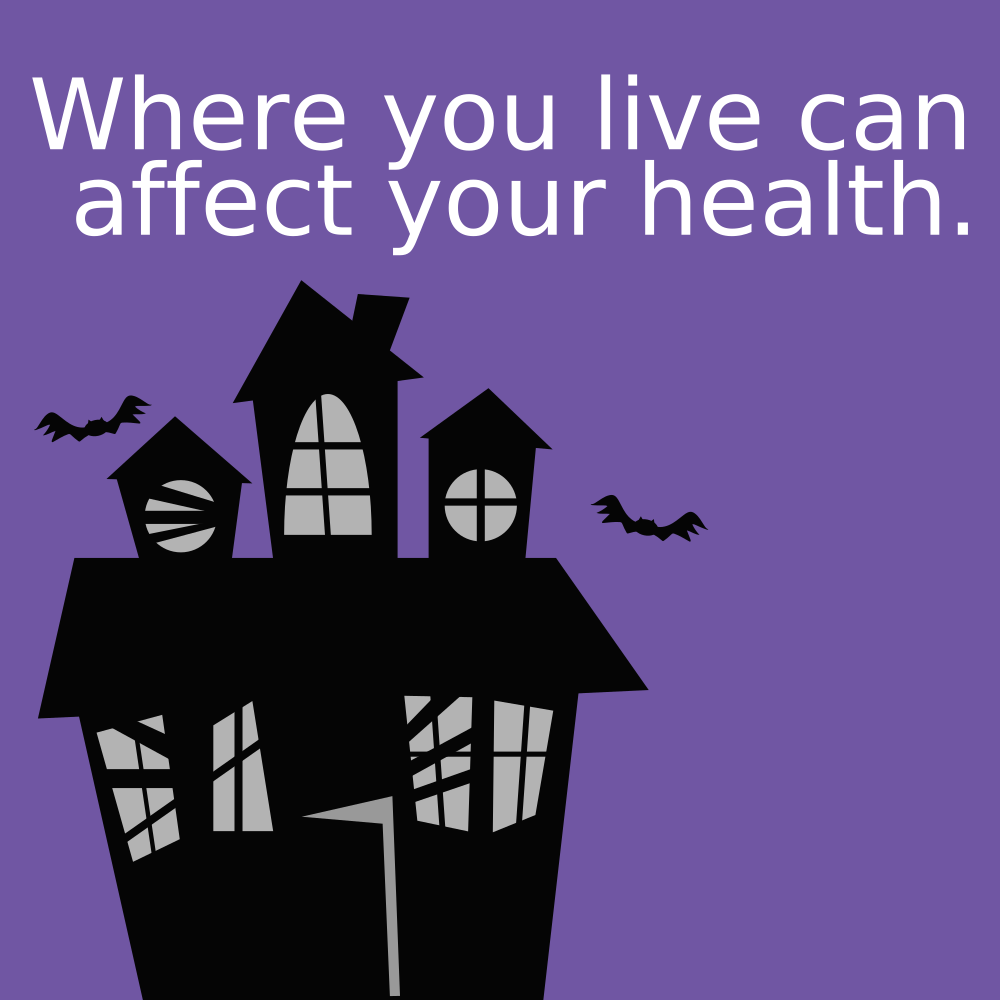
Radon gas comes from the breakdown of natural radioactive elements in soil, rock and groundwater.
Radon can seep through the gaps and cracks in the foundation of your home.
In Missouri, 1 in every 3 houses tested has an elevated radon level.
Get a free radon test kit and follow testing tips from the DHSS Radon Program.
Blood Sucking Ticks
Ticks are very common in Missouri and can spread diseases through their bites.
Even in fall, ticks can thrive. They like to hide in shady areas, like under the leaves on the ground.

Wear light colored clothing to spot ticks more easily.
Use an EPA-registered insect repellent on your skin.
If you'll be in grassy, brushy, or wooded areas, consider treating clothing and gear the permethrin.
Do frequent tick checks. Use clean tweezers to remove a tick. Use a lint roller or duct tape to remove tiny seed ticks.
Tickborne Diseases are generally on the rise.
Tools and Resources
Fall Allergies
Ragweed pollen and mold spores from decaying plants and leaves tend to be high in the fall. If you're allergic, keep an eye on pollen and mold levels, and find someone else to rake the leaves!

Lead Poisoning Prevention Week in October
Learn about lead exposure risks and lead safety tips to protect your child's health and development.

Harvest is in Reach Story Map
Food access in Missouri, highlighting resources and programs.

The National Environmental Public Health Tracking Program
Missouri Environmental Public Health Tracking (EPHT) is a program within the Missouri Department of Health and Senior Services and funded by the Centers for Disease Control and Prevention. EPHT is part of a network of people and information systems which delivers a core set of health, exposure, and hazards data, information summaries and tools to enable analysis, visualization and reporting of insights drawn from data. Those insights are intended to help data drive actions and improve community health.