


Follow these tips to avoid getting sick.


What is Legionella?
- Legionella are a group of bacteria (germs) that can't be seen with a regular microscope, are rod-shaped, and stain pink or red under a microscope. (“Gram-negative”). It needs oxygen to survive ("aerobic") and lives inside other cells ("intracellular"). There are many different types of this bacteria, called "serogroups" – over 15 in total. They often live inside tiny single-celled organisms called "protozoa." This is where they hang out and multiply.
- Legionella bacteria can also stick together with other bacteria to form "biofilms." These are like slimy layers that protect the bacteria. Biofilms make it hard to kill Legionella with antibiotics, chlorine (like in swimming pools), or even high temperatures.

How does Legionella get into drinking water?
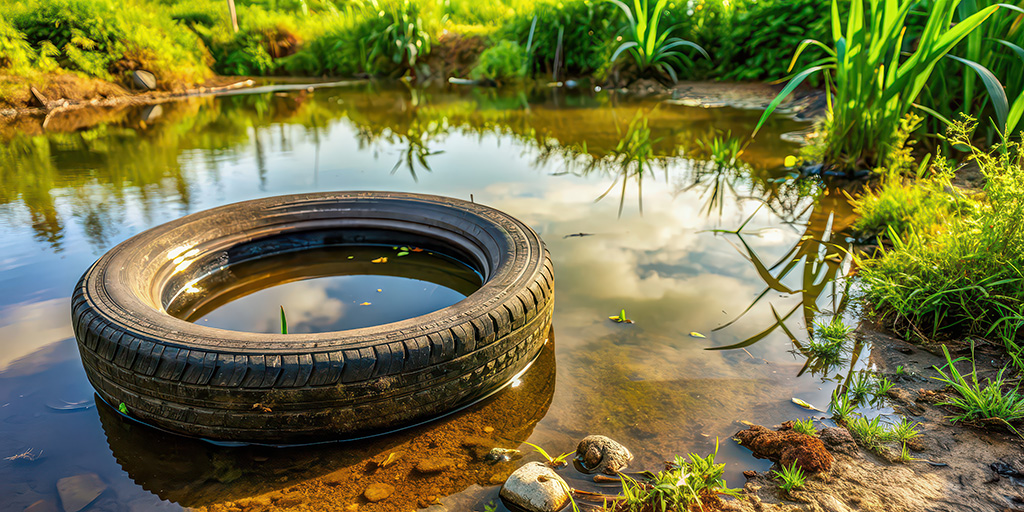
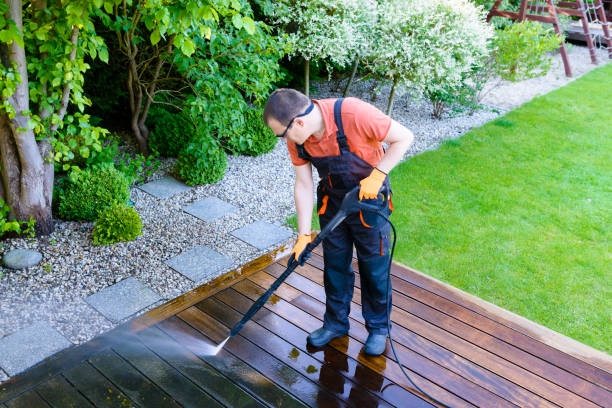
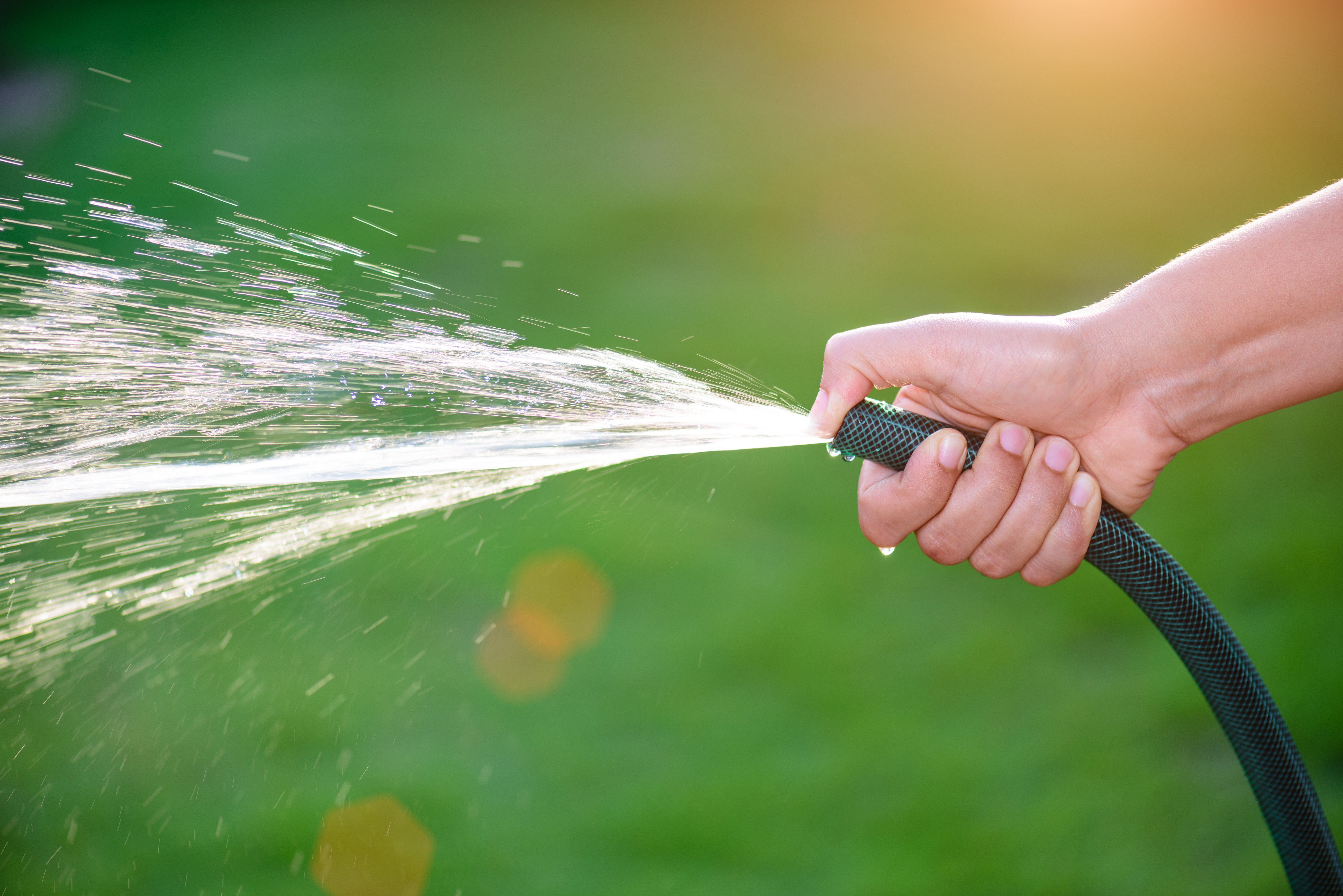
Legionella occurs naturally in fresh water like lakes and streams, but it is also present at low levels in our public water systems, and it can make its way into our building plumbing. It's a germ that thrives in warm, stagnant water — and it can multiply in things like garden hoses, dormant pipes, household devices like portable humidifiers or CPAP machines, and tools like power washers if water is left in them after use.
If you breathe in spray or mist from water that's been sitting in a hose, a pipe, or a household device, you could develop a Legionella infection.
Even if your water is treated, it might not completely get rid of Legionella. While public water utilities must provide safe drinking water; tap water is not sterile, meaning it might have germs in it. Small amounts of these bacteria can slip through the system and end up in your pipes.
Nearby construction activities like jackhammering, water main breaks or leaks, and flooding can damage pipes or “shake up” the biofilm in the pipes. When this happens, dirt and germs can get into the drinking water.
Legionella grows best in water that's warm, between 68- and 113°F. When the water is too hot or too cold, the bacteria can't grow as well. However, many buildings keep their water at just the right temperature for Legionella to thrive. This can lead to the bacteria growing in your pipes and coming out of faucets, showerheads, and other water outlets. Pipes and fixtures that have buildup of minerals have tiny spaces the legionella can stick to and live on.
How can Legionella affect me?
Legionella can also multiply in many common water features like decorative fountains, hot tubs and swimming pools.
The main way people get infected with Legionella is by breathing in (inhaling) tiny water droplets or mist that contain the bacteria.
Once inside the body, the bacteria are normally eaten by special cells called "macrophages." These cells are supposed to kill bacteria, but Legionella is tricky.
It can create a protective shell around itself inside the macrophage, which protects it from being destroyed.
Who is at risk for Legionellosis?
Some people are at greater risk because of their age or existing health conditions — older adults, smokers, and people with chronic lung disease, weakened immune systems, diabetes, or kidney and liver disease. But everyone is susceptible to Legionellosis — the illnesses caused by Legionella — which can range from a mild fever to a serious lung infection called Legionnaires’ disease.
Legionnaires' disease has a 10-25 percent fatality rate for those who are affected.
What are the signs and symptoms of Legionellosis?
• Flu-like illness: Cough, high fever, muscle aches, tiredness, headache and malaise.
• Respiratory symptoms: Shortness of breath, chest pain and chest discomfort.
• Gastrointestinal symptoms: Diarrhea, nausea and vomiting
• Mental changes: Confusion, disorientation and balance problems.
• Other symptoms: Excessive sweating, loss of appetite and stomach pain.
What can I do to prevent Legionella at home?
Take care of the devices in your home that turn water into mist.
Use distilled or boiled water in portable humidifiers, CPAP machines, and similar household devices. Flush the tubing regularly with a cleaning solution — vinegar works for many devices. Always follow your manufacturer's instructions, and when you're done, drain and dry the equipment. Standing water left between use is exactly where Legionella likes to grow.
Clean what you can see. Scale, rust and slime on showerheads, hose nozzles, and aerators give Legionella a place to hide. Unscrew them, soak them in white vinegar for an hour or two, scrub, and rinse. If they won't clean up — replace them. A regular cleaning, every few months, goes a long way.
Flush before you use. If a faucet, shower, or hose in your home hasn't been used in over a week— or if there's been a disruption to your water supply — run water through it for at least 5 minutes before you use it.
Maintain your water heater. Keep it set to the temperature your manufacturer recommends — and don't let it drop below that. Once or twice a year, drain a few gallons from the bottom of the tank to flush out sediment, which is exactly where Legionella likes to hide.
And if you're heading out of town for a stretch, remember: the water in your pipes will cool down into the range Legionella likes. Flush before you use when you get home.
What should short-term rental and property owners do?
Protect your guests. Protect your property.
Legionnaires' disease is a serious pneumonia caused by inhaling mist that contains Legionella bacteria. Cases linked to rentals are rising, and a short routine at every turnover protects your guests and your business.
The turnover routine:
- Between each guest, especially if the property sat unused for 3 or more days, run cold water at every tap and shower for 5 minutes, then run hot water until fully hot, then for 5 more minutes. Open a window to avoid inhaling steam. Add it to the cleaning checklist so it never gets skipped.
- Keep the hot tub in spec even when empty. Hot tubs are the highest-risk fixture in any rental. Maintain disinfectant and pH continuously, not just when guests are using it.
- Don't let the property go dormant. Low or irregular bookings let disinfectant drop and biofilm form. Run all fixtures weekly, or have a cleaner do a flush visit, and watch for local water advisories.
Operator Checklist
Keep a log of every flush, test and clean.
Hot tubs and spas
- Maintain disinfectant, test pH and disinfectant twice daily, and follow manufacturer maintenance guidelines.
Faucets, showerheads and fountains
- Clean or replace aerators and showerheads when buildup appears. Follow fountain maintenance instructions.
Water heater
- Keep your water heater at 120°F or higher. If set to 130-140°F, use mixing valves to reduce scalding risk. Flush regularly.
If a guest reports illness, contact your health department before re-renting. Close any affected hot tub until cleared. Maintenance logs may be requested.